
inFlow Inventory
How to Stop Running Out of Stock (Without Sitting on Too Much of It)
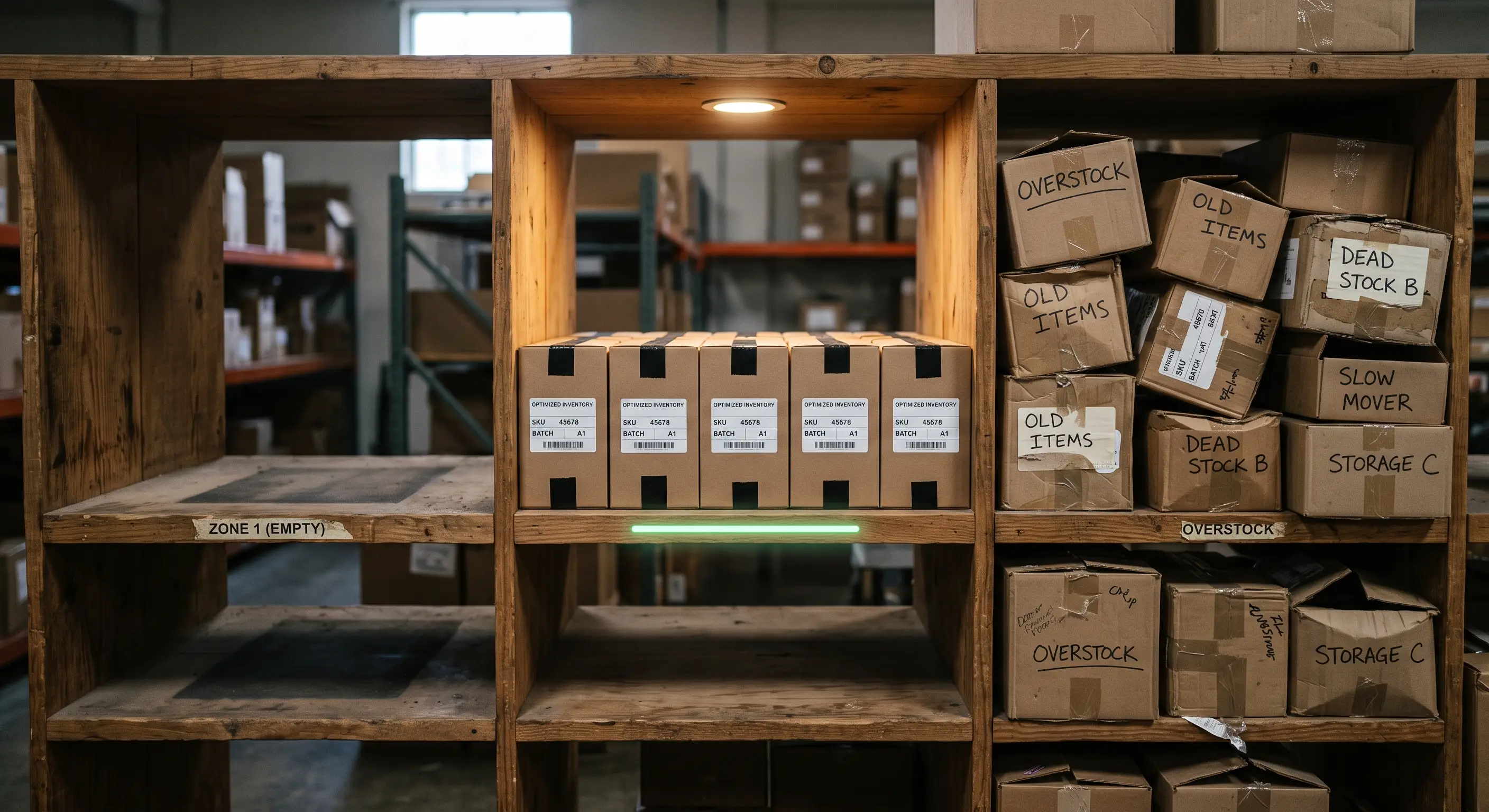
Every business that sells physical products deals with the same tug-of-war: order too little stock and you lose sales when items run out. Order too much and your cash gets tied up in shelves full of things that aren’t moving. Most business owners have felt both problems in the same month, sometimes with the same product.
The good news is that both problems usually come from the same root cause — not knowing, with confidence, what you actually have and when you’ll need more. Fix that, and both problems get a lot smaller.
Why Stockouts Cost More Than the Missed Sale
When a customer wants to buy something and you don’t have it, the lost sale is only part of the damage.
They may not come back. A customer who finds out you’re out of stock often just buys from a competitor instead. Some come back later. Many don’t.
Your team scrambles. Rush orders, expedited shipping, and last-minute supplier calls all cost more than planning ahead would have.
Trust takes a hit. If a customer already placed an order and you can’t fulfill it, that’s worse than never taking the order — now you have to apologize, refund, or delay, and that memory sticks.
None of this shows up as a single line on a report. It shows up slowly, as customers who quietly stop ordering as often.
Why Overstock Is the Quieter Problem
Overstock doesn’t feel as urgent as a stockout, which is exactly why it’s dangerous. Money spent on excess inventory is money that isn’t:
- Paying suppliers on better terms
- Funding a new product line
- Sitting in the bank as a safety cushion
- Available for a good opportunity that comes up unexpectedly
Slow-moving stock also ties up physical space, and for perishable or trend-sensitive goods, it can turn into a straight write-off. A shelf full of stock can feel like security, but if it’s the wrong stock, it’s actually a cost you’re carrying every day it sits there.

The Real Cause: Guessing Instead of Knowing
Most stockouts and overstock situations trace back to the same habit — ordering based on a gut feeling or last year’s numbers instead of what’s actually happening right now.
This usually happens because the information is scattered. Stock counts live in a spreadsheet that’s a week out of date. Sales come in through a website, a phone call, and a walk-in counter, and nothing ties them together. Nobody notices a product is low until someone asks for it and it’s not there.
When that’s how a business runs, both mistakes are almost guaranteed. You’ll always be reacting instead of planning.
What Actually Fixes This
Fixing it isn’t about hiring more staff to count stock more often. It’s about making the numbers you already have visible and current, so decisions are based on what’s true today.
Real-time stock levels, not last week’s count
If every sale, transfer, and delivery updates your stock count immediately, you always know what’s actually on the shelf. That single change removes most of the guesswork behind both stockouts and overstock, because you’re no longer ordering against numbers that might already be wrong.
Reorder alerts set at the right level
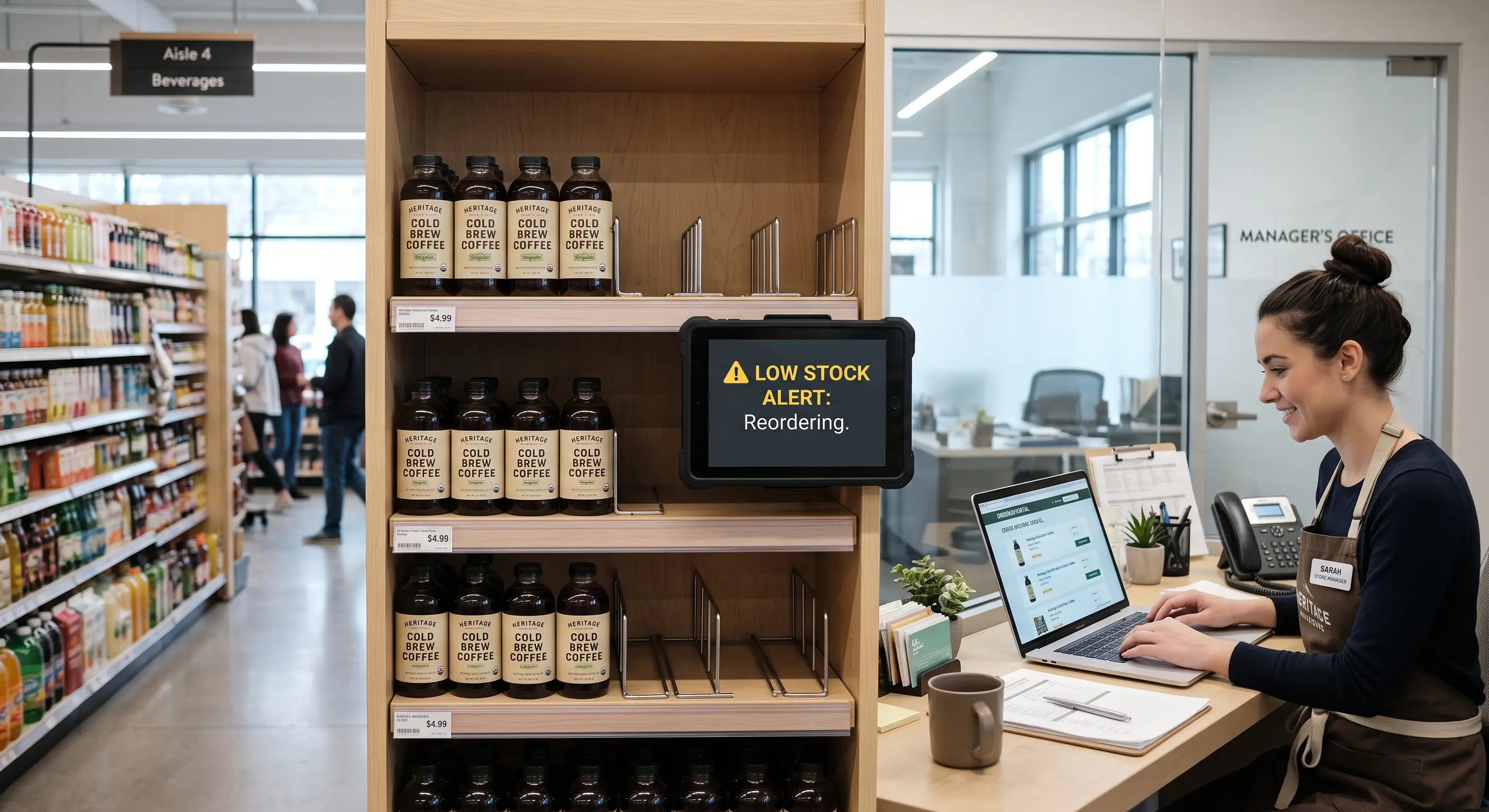
Instead of relying on someone to remember to check stock, a minimum stock level can trigger an alert automatically. Set that minimum based on how fast a product actually sells and how long your supplier typically takes to deliver, and you get a warning early enough to reorder calmly — not a scramble after the shelf is already empty.
One number, everywhere you sell
If you sell online and in person, the two need to show the same stock number. A sale on your website should immediately reduce what’s available in-store, and vice versa. Without this, it’s easy to sell the same item twice or leave stock sitting unlisted online that could have been sold.
Accurate counts, without the manual work
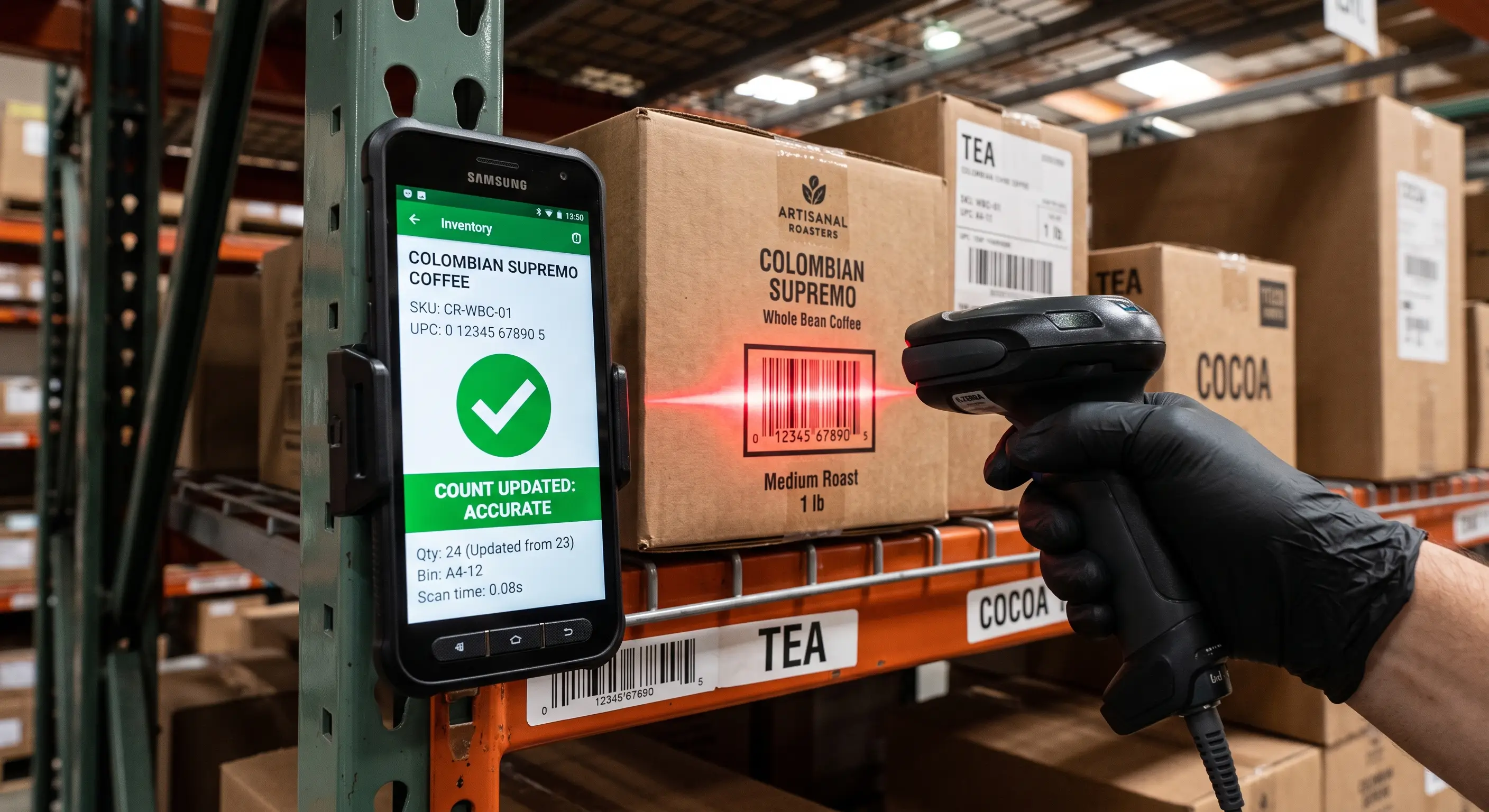
A lot of stock errors come from manual data entry — the wrong quantity typed in, the wrong product picked. Scanning barcodes instead of typing product details by hand removes most of that risk, and it’s faster too, which matters when your team is busy.
What This Looks Like Day to Day
This is exactly the gap inFlow Inventory is built to close. It tracks stock in real time across your sales channels, sends you an alert when something drops below the level you’ve set, and lets your team use barcode scanning instead of manual entry for counts, transfers, and orders. We covered how these pieces fit together in our full review of inFlow Inventory, if you want the longer breakdown.
The emotional shift matters as much as the operational one. Once you trust your stock numbers, ordering stops being a source of stress. You’re not lying awake wondering if you’ll run out of your best-seller next week, and you’re not staring at a stockroom full of product you’re not sure you’ll ever sell. You get to spend that mental energy on growing the business instead of babysitting a spreadsheet.
Where to Start
You don’t need to fix everything at once. Start with your best-selling products — the ones where a stockout costs you the most, and where overstock ties up the most cash. Get real-time visibility and reorder alerts working for those first, then expand from there as your team gets comfortable with the new habit.
If you’re not sure where your current stock process is breaking down, or you’d like help setting up a system that keeps this handled automatically, get in touch — we help businesses set up and fine-tune inventory systems like this every day.